Eczema /

Eczema /

Triggers /

Triggers /

Tomatoes

Tomatoes

Nightshades

Nightshades

Nightshades

Tomatoes & Eczema

One of the most commonly reported eczema triggers. Works through histamine release and chemical irritation, not classic allergy. Concentrated forms (ketchup, paste, jarred sauce) are worse than fresh.

🎯 Symphony Trigger Score

🎯 Symphony Trigger Score

4/5

Premium UX Template for Framer

Summary

Summary

Summary

Tomatoes are one of the most commonly reported eczema triggers, but they work through chemical irritation rather than a classic immune-system allergy. They cause mast cells (immune cells in the skin) to release histamine directly, making skin itchy and inflamed — a landmark study found that 76% of people with chronic skin reactions responded to whole tomato in testing. They also contain salicylates (aspirin-like compounds) and a natural compound called alpha-tomatine that can irritate the gut lining.

Canned and concentrated tomato products (paste, ketchup, jarred sauce) are more problematic than fresh because processing increases histamine levels. Peeling fresh tomatoes reduces allergen load, since the compounds are concentrated in the skin. The reaction typically takes 2–4 hours to develop and is dose-dependent, which makes tomato particularly difficult to identify as a trigger.

Tomatoes are one of the most commonly reported eczema triggers, but they work through chemical irritation rather than a classic immune-system allergy. They cause mast cells (immune cells in the skin) to release histamine directly, making skin itchy and inflamed — a landmark study found that 76% of people with chronic skin reactions responded to whole tomato in testing. They also contain salicylates (aspirin-like compounds) and a natural compound called alpha-tomatine that can irritate the gut lining.

Canned and concentrated tomato products (paste, ketchup, jarred sauce) are more problematic than fresh because processing increases histamine levels. Peeling fresh tomatoes reduces allergen load, since the compounds are concentrated in the skin. The reaction typically takes 2–4 hours to develop and is dose-dependent, which makes tomato particularly difficult to identify as a trigger.

Tomatoes are one of the most commonly reported eczema triggers, but they work through chemical irritation rather than a classic immune-system allergy. They cause mast cells (immune cells in the skin) to release histamine directly, making skin itchy and inflamed — a landmark study found that 76% of people with chronic skin reactions responded to whole tomato in testing. They also contain salicylates (aspirin-like compounds) and a natural compound called alpha-tomatine that can irritate the gut lining.

Canned and concentrated tomato products (paste, ketchup, jarred sauce) are more problematic than fresh because processing increases histamine levels. Peeling fresh tomatoes reduces allergen load, since the compounds are concentrated in the skin. The reaction typically takes 2–4 hours to develop and is dose-dependent, which makes tomato particularly difficult to identify as a trigger.

The Details - Tomatoes & Eczema

The Details - Tomatoes & Eczema

The Details - Tomatoes & Eczema

Reaction Timeline

Short delay (2–12 hours), Delayed (12–72 hours)

Short delay (2–12 hours), Delayed (12–72 hours)

Pseudoallergic reactions average 2–4 hours latency. Contact irritation around the mouth (especially in children) is immediate. Histamine-driven eczema flares can take 12–72 hours. This mixed timeline makes tomato hard to identify as a trigger without a structured diary.


Premium UX Template for Framer

How Much Is Needed To React?

Dose-dependent

Dose-dependent

Dose-dependent

A slice of fresh tomato on a sandwich is very different from a bowl of tomato soup or pasta with heavy tomato sauce. Canned and concentrated tomato products (paste, ketchup) deliver more histamine per serving. Cumulative daily load matters — ketchup at lunch plus pasta sauce at dinner compounds exposure.

Does Preparation Matter?

Yes — preparation significantly changes reactivity

Yes — preparation significantly changes reactivity

Yes — preparation significantly changes reactivity

Cooking destroys heat-labile profilin (Sola l 1) but NOT LTP (Sola l 3). Peeling removes LTP (concentrated in skin). Canned tomatoes have higher histamine than fresh due to processing and storage. Sun-dried and concentrated products are the most problematic. Fresh, peeled, ripe tomatoes are the best-tolerated form. [5][6]

Premium UX Template for Framer

Also Watch Out For...

  1. Grass pollen — profilin cross-reactivity with Sola l 1 [5]

  2. Birch pollen — PR-10 cross-reactivity with Sola l 4

  3. Latex — patatin cross-reactivity

  4. Peach — LTP cross-reactivity with Sola l 3

  5. Potato — shared solanaceae family glycoalkaloids

What To Use Instead

  1. Roasted red pepper sauce (for pasta — note: bell peppers are on the trigger list)

  2. Pesto (basil-based, no tomato — check for nuts/cheese)

  3. Olive oil and garlic sauce (note: garlic is on the trigger list)

  4. Nomato sauce (recipes using beets, carrots, and squash to mimic tomato sauce)

Premium UX Template for Framer

Hidden Sources

  1. Ketchup (concentrated tomato)

  2. Pizza sauce and marinara

  3. Canned tomatoes and tomato paste

  4. Salsa and bruschetta

  5. Bloody Mary cocktails

  6. Tomato-based soups (minestrone, gazpacho)

  7. BBQ sauce (tomato base)

  8. Some curry pastes

  9. Sun-dried tomatoes (concentrated)

  10. Vodka sauce (tomato + cream — double trigger)
Symphony helps you know if Tomatoes is your why.

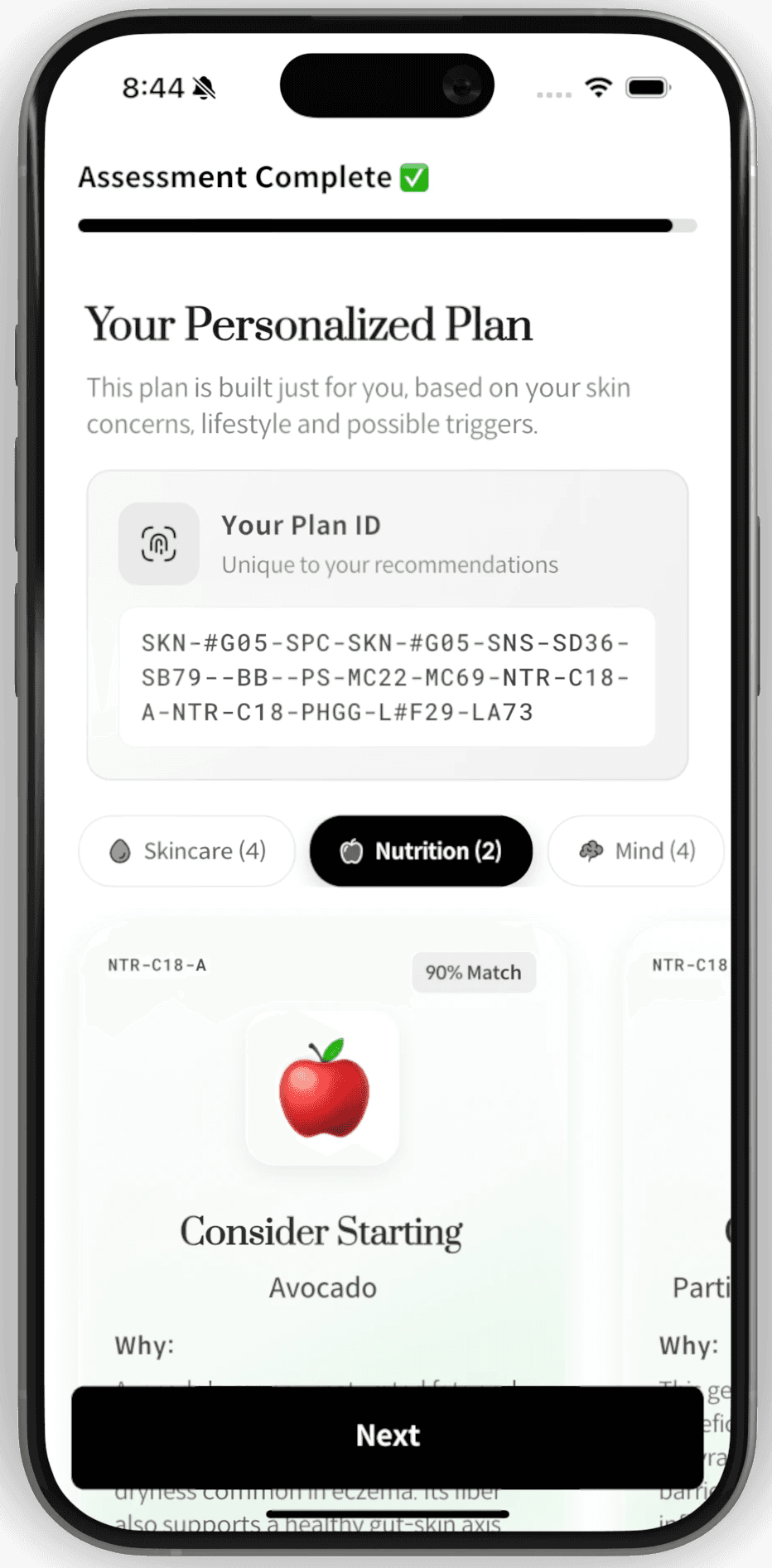
Symphony helps you know if Tomatoes is your why.

Symphony connects the dots between your skin condition and thousands of potential triggers, so you get a personalized plan to achieve lasting change.

Symphony connects the dots between your skin condition and thousands of potential triggers, so you get a personalized plan to achieve lasting change.

Symptom Improvement

Symptom Improvement

Symptom Improvement

>34%

>34%

>34%

Find a trigger within 7 days

Find a trigger within 7 days

Find a trigger within 7 days

92%

92%

92%

Premium UX Template for Framer

This content is for informational purposes only and is not medical advice. Food triggers are highly individual — a food appearing in this database does not mean it will cause your eczema to flare. The information presented is drawn from published clinical research and patient community reports, but it is not a substitute for professional diagnosis or treatment. If you suspect a food allergy or sensitivity, consult a dermatologist or allergist. The gold standard for identifying food triggers remains a supervised elimination diet with oral food challenges. Symphony is a tracking tool, not a diagnostic or medical device.

This content is for informational purposes only and is not medical advice. Food triggers are highly individual — a food appearing in this database does not mean it will cause your eczema to flare. The information presented is drawn from published clinical research and patient community reports, but it is not a substitute for professional diagnosis or treatment. If you suspect a food allergy or sensitivity, consult a dermatologist or allergist. The gold standard for identifying food triggers remains a supervised elimination diet with oral food challenges. Symphony is a tracking tool, not a diagnostic or medical device.

This content is for informational purposes only and is not medical advice. Food triggers are highly individual — a food appearing in this database does not mean it will cause your eczema to flare. The information presented is drawn from published clinical research and patient community reports, but it is not a substitute for professional diagnosis or treatment. If you suspect a food allergy or sensitivity, consult a dermatologist or allergist. The gold standard for identifying food triggers remains a supervised elimination diet with oral food challenges. Symphony is a tracking tool, not a diagnostic or medical device.